Minimalist Living Rooms Reimagined: The Power of Art Deco Accents and Hidden Storage
Minimalist living rooms have long been celebrated for their clean lines, uncluttered spaces, and serene atmospheres. Yet, as design trends evolve, so too does the interpretation of minimalism. Today, the minimalist living room is no longer just about stripping away excess—it’s about thoughtfully curating elements that blend functionality with bold, intentional style. One of the most exciting ways to elevate a minimalist space is by incorporating Art Deco accents and hidden storage solutions, creating a room that feels both timeless and effortlessly modern.
The Resurgence of Art Deco in Minimalist Spaces
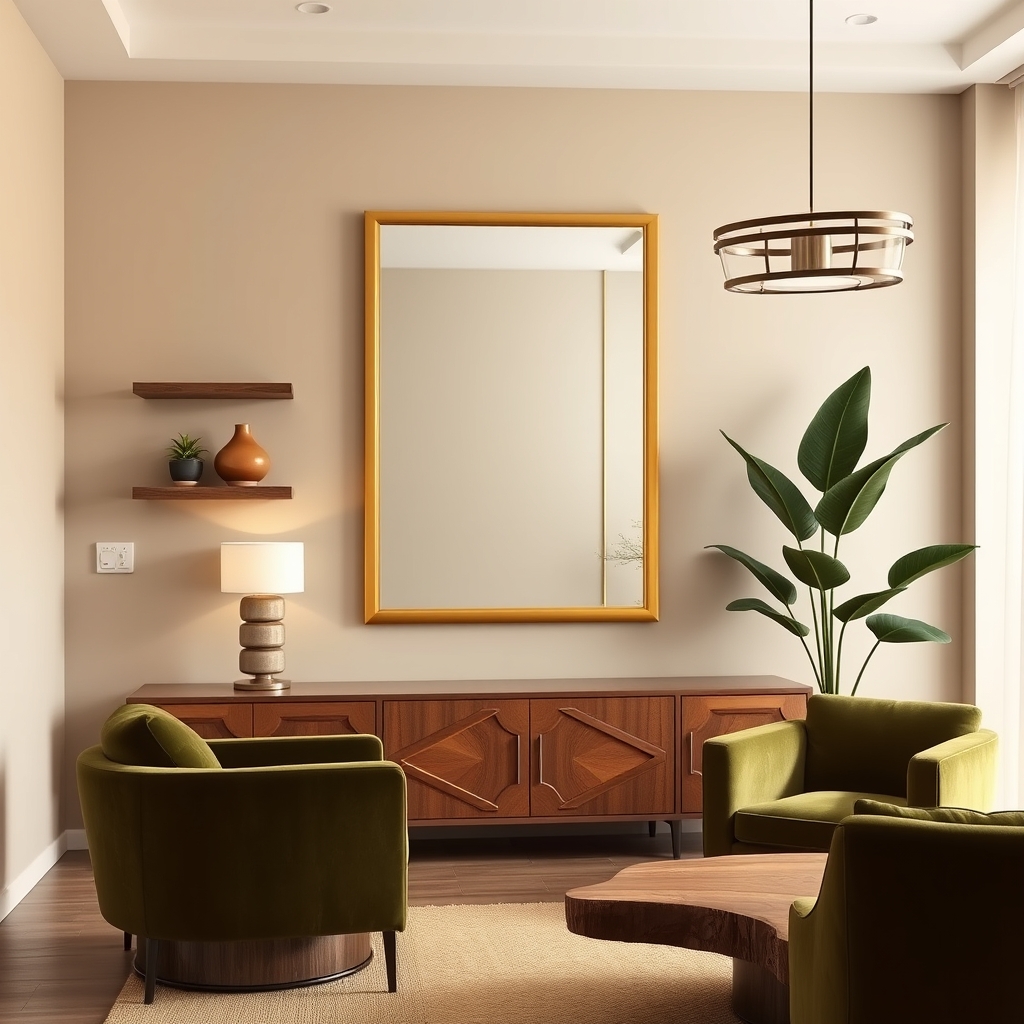
Art Deco, with its geometric patterns, rich materials, and luxurious finishes, might seem like an unlikely companion to minimalism. However, when used sparingly, its boldness can add depth and character to an otherwise understated room. The key lies in balance—selecting one or two statement pieces that draw the eye without overwhelming the space. A sleek, gold-framed mirror with angular lines, a velvet accent chair in a deep emerald or navy, or a low-profile sideboard with inlaid wood and metallic detailing can serve as a focal point while maintaining the room’s minimalist ethos.
Art Deco’s influence extends beyond furniture. Consider incorporating geometric patterns through textiles, such as a throw pillow or an area rug, to introduce visual interest. Lighting fixtures, like a sculptural table lamp with a stepped design or a chandelier with frosted glass and chrome accents, can also nod to the era while keeping the space feeling fresh and contemporary. The goal is to create contrast—juxtaposing the softness of minimalism with the opulence of Art Deco to craft a living room that feels dynamic and layered.
Hidden Storage: The Backbone of a Clutter-Free Sanctuary
A minimalist living room thrives on simplicity, and nothing disrupts that simplicity faster than visible clutter. This is where hidden storage solutions become indispensable. The modern home demands functionality without sacrificing aesthetics, and today’s designers are rising to the challenge with innovative, seamless storage options that blend into the room’s design.
One of the most effective ways to incorporate hidden storage is through built-in cabinetry. Custom shelving units that span an entire wall can house books, electronics, and decorative items while maintaining a sleek, unbroken line. For a more modular approach, consider furniture with dual purposes, such as an ottoman with internal storage, a coffee table with lift-top compartments, or a sofa with built-in drawers. These pieces allow you to stow away everyday items like blankets, remotes, and magazines, keeping surfaces clean and uncluttered.
Floating wall shelves are another minimalist favorite, offering storage and display space without the bulk of traditional shelving. Opt for shelves with hidden brackets or those that appear to “float” effortlessly on the wall. For a truly seamless look, choose shelves that match the wall color, creating an illusion of extra space. Additionally, multi-functional furniture, like a media console with concealed compartments or a bench with storage underneath, can help maximize space in smaller living rooms without compromising on style.
Earthy Color Palettes: The Foundation of Minimalist Warmth
While minimalism often conjures images of stark white spaces, the modern minimalist living room embraces warmth through earthy color palettes. Soft neutrals like warm taupe, muted terracotta, and sandy beige create a cozy, inviting atmosphere, while deeper tones like olive green, burnt umber, and slate gray add depth and sophistication. These colors serve as the perfect backdrop for Art Deco accents, allowing metallic finishes and rich textures to stand out without competing for attention.
To create a harmonious color scheme, start with a neutral base for walls and large furniture pieces, then layer in earthy tones through textiles, artwork, and decor. A chunky knit throw in camel, a linen curtain in soft sage, or a ceramic vase in deep ochre can introduce subtle pops of color that enhance the room’s warmth. For those who prefer a more dramatic look, consider an accent wall in a muted clay or a deep forest green, paired with gold or brass hardware for a touch of Art Deco glamour.
Biophilic Design: Bringing Nature Indoors
No discussion of modern minimalism would be complete without mentioning biophilic design, the practice of incorporating natural elements into interior spaces. In a minimalist living room, biophilic design can take many forms, from large potted plants and indoor garden walls to natural wood furniture and stone accents. These elements not only enhance the room’s aesthetic but also promote a sense of calm and well-being, which is at the heart of minimalist living.
For a subtle approach, introduce greenery through low-maintenance plants like snake plants, pothos, or ZZ plants, which thrive in indoor environments and add a touch of life to the space. If you’re working with limited floor space, consider hanging planters or wall-mounted terrariums. Natural materials, such as a live-edge wooden coffee table, a jute rug, or linen upholstery, can also reinforce the connection to nature while keeping the room’s design cohesive and understated.
Statement Lighting: The Finishing Touch
Lighting plays a crucial role in defining the ambiance of a minimalist living room. While natural light is always ideal, statement lighting fixtures can elevate the space when the sun goes down. A sculptural pendant light, an oversized floor lamp with a minimalist silhouette, or a series of geometric wall sconces can serve as both functional lighting and works of art.
When selecting lighting, consider the room’s overall aesthetic. For a space with Art Deco influences, opt for fixtures with metallic finishes, frosted glass, or stepped designs. In a more organic minimalist room, choose lighting made from natural materials like rattan, bamboo, or ceramic. Dimmable lights are also a great addition, allowing you to adjust the mood of the room from bright and energetic to soft and intimate with the flick of a switch.
Minimalist living rooms are no longer defined by what they lack but by the intentionality behind every choice. By blending Art Deco accents with hidden storage, earthy color palettes, biophilic elements, and statement lighting, you can create a space that feels both timeless and distinctly modern. The result is a living room that doesn’t just look beautiful—it feels like a true reflection of the way you want to live, where every piece has purpose and every detail tells a story.