The Quiet Revolution: How Sustainable Home Decor is Redefining Modern Living Spaces
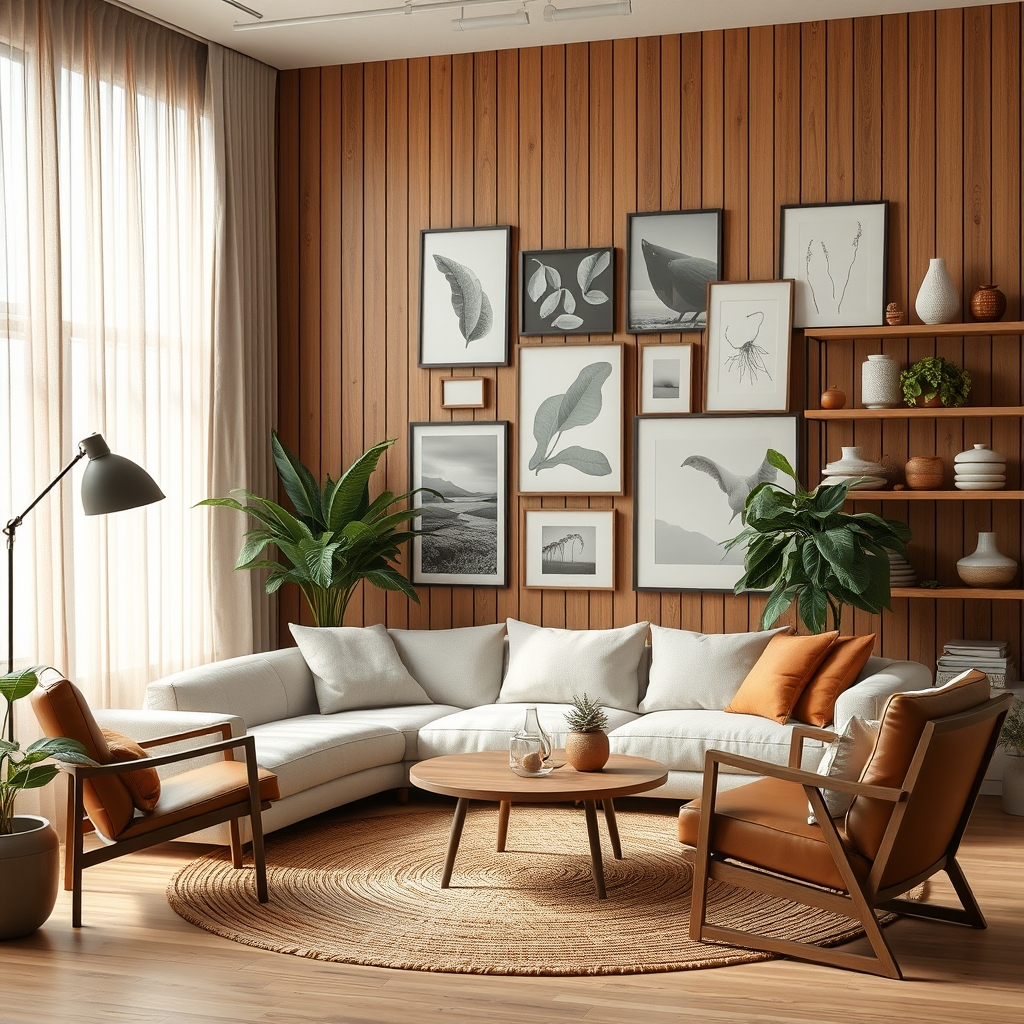
In an era where the lines between aesthetics and ethics blur, the modern home has become a canvas for conscious living. The shift toward sustainable home decor isn’t just a trend—it’s a quiet revolution, reshaping how we perceive beauty, functionality, and our relationship with the environment. From the understated elegance of Japandi living rooms to the bold statements of maximalist gallery walls, sustainability is no longer an afterthought but the foundation of thoughtful design.
The Philosophy of Less, But Better
The minimalist ethos of Japandi design has long championed the idea of “less is more,” but its modern interpretation goes deeper. It’s not just about decluttering; it’s about curating with intention. Furniture pieces are chosen for their longevity, crafted from responsibly sourced wood or recycled materials, and designed to serve multiple purposes. A curved sofa isn’t just a statement piece—it’s a testament to timeless design, free from the ephemeral whims of fast furniture trends. The result? Spaces that feel both serene and deeply personal, where every object has a story and a purpose.
Biophilic Design: Bringing the Outside In
At the heart of sustainable decor lies biophilic interior design, a practice that seeks to reconnect us with nature. This goes beyond simply adding a few houseplants—though indoor plant styling is certainly part of the equation. It’s about integrating natural elements in ways that nourish the soul. Think large windows that frame views of greenery, textured wall coverings that mimic the tactile quality of stone or wood, and earthy color palettes that ground a room in warmth. Even the play of light is considered, with smart lighting control systems that mimic the natural progression of daylight, enhancing our circadian rhythms and well-being.
The Rise of Multi-Functional Spaces
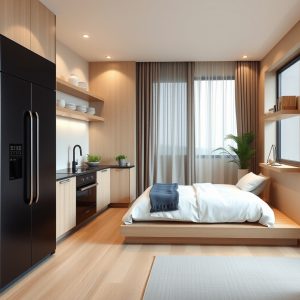
As urban living spaces shrink, the demand for multi-functional furniture has surged. A coffee table that transforms into a dining surface, a bookshelf that doubles as a room divider, or a bed with built-in storage—these aren’t just clever hacks but necessities for modern living. The beauty of these pieces lies in their ability to adapt, reducing the need for excess while maximizing utility. In the kitchen, hidden storage solutions keep countertops clutter-free, while statement backsplashes made from recycled glass or reclaimed tiles add a touch of artistry without compromising sustainability.
Luxury Without Excess
The idea of luxury is being redefined. No longer synonymous with opulence, it now embodies quality, craftsmanship, and mindful consumption. Luxury wet rooms, for instance, are designed with water efficiency in mind, using high-end fixtures that reduce waste without sacrificing style. Matte black fittings and fluted wall panels add a touch of sophistication, proving that elegance and eco-consciousness can coexist. Even in the study, the Dark Academy aesthetic—with its rich, moody tones and vintage-inspired furniture—is being reinterpreted through a sustainable lens, favoring heirloom-quality pieces over disposable decor.
The Power of Personal Expression
Sustainable decor doesn’t mean sacrificing personality. In fact, it encourages a deeper connection to the items we bring into our homes. Vintage aesthetic accents, whether a mid-century armchair or a collection of antique books, add character while reducing the demand for new production. Maximalist gallery walls become a celebration of individuality, showcasing art, photographs, and mementos that tell a story. Even the smallest details, like a handwoven throw or a ceramic vase made from repurposed materials, contribute to a home that feels uniquely yours.
Creating Cozy, Intentional Spaces
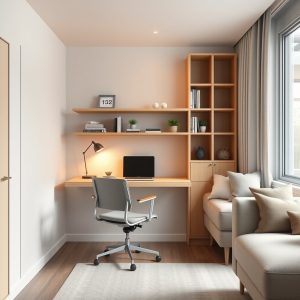
At the end of the day, a home should be a sanctuary—a place that nurtures and inspires. Cozy reading corners with plush seating and soft lighting invite moments of reflection, while organic modern architecture blurs the boundaries between indoors and out, fostering a sense of harmony. The key is to design with intention, choosing materials and layouts that align with both your values and your lifestyle. Whether it’s the warmth of a Japandi living room or the bold energy of a maximalist gallery wall
The shift toward sustainable home decor is more than a movement—it’s a mindset. It challenges us to rethink what we value, to prioritize quality over quantity, and to create spaces that are as kind to the earth as they are to our souls. In doing so, we don’t just decorate our homes; we redefine what it means to live well.