Beyond Minimalism: How Organic Modern Architecture is Redefining Home Interiors with Earthy Sophistication
In the ever-evolving world of interior design, a new paradigm is emerging—one that transcends the stark lines of minimalism and the clutter of maximalism to embrace a philosophy rooted in nature, functionality, and understated luxury. Organic modern architecture is not just a trend; it’s a movement that harmonizes the raw beauty of natural elements with the sleek precision of contemporary design. This approach to living spaces is redefining what it means to create a home that feels both timeless and deeply personal.
The Philosophy Behind Organic Modernism
At its core, organic modernism is about balance. It takes the clean, uncluttered aesthetics of modern design and infuses them with warmth, texture, and a connection to the natural world. Unlike traditional minimalism, which can sometimes feel cold or sterile, organic modernism prioritizes comfort and tactile experiences. Think of it as a dialogue between the handcrafted and the high-tech, where every piece in a room serves a purpose while also telling a story.
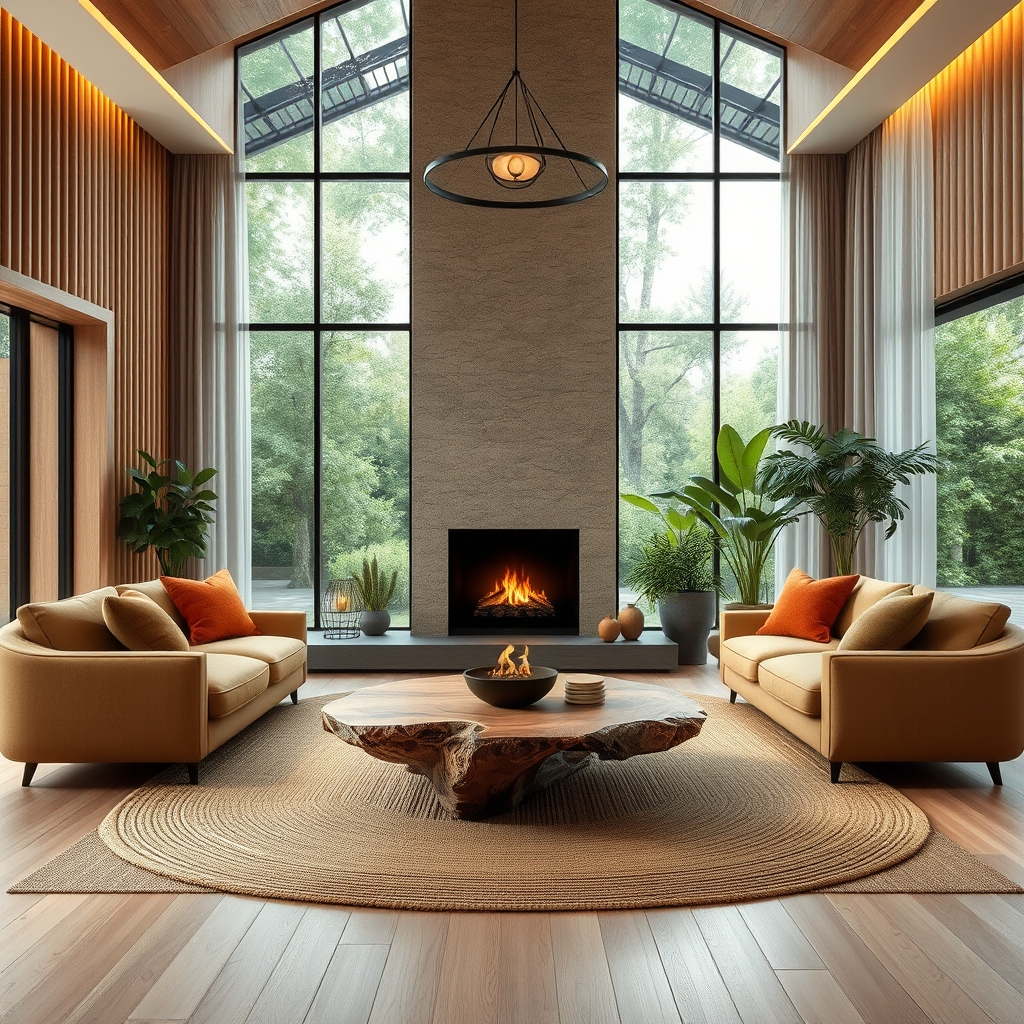
This philosophy is deeply influenced by biophilic design, which emphasizes the human need to connect with nature. By incorporating natural materials like wood, stone, and linen, organic modern spaces evoke a sense of calm and grounding. The color palette is equally intentional, drawing from earthy tones such as warm terracottas, soft olives, and deep charcoals, which create a soothing backdrop for daily life. These hues are not just chosen for their aesthetic appeal but for their ability to evoke emotion and foster well-being.
Key Elements of Organic Modern Interiors
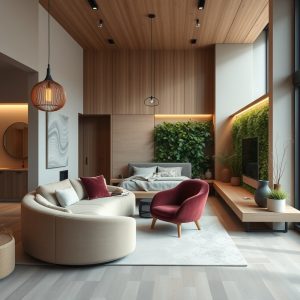
To achieve the organic modern look, designers focus on a few key elements that bring the space to life. One of the most defining features is the use of multi-functional furniture that blends seamlessly into the environment. Pieces like modular sofas with curved edges, extendable dining tables, and storage solutions that double as decor are staples of this style. These items are not only practical but also designed to enhance the flow of the room, making spaces feel more open and inviting.
Another hallmark of organic modernism is the incorporation of textured wall coverings and fluted wall panels. These elements add depth and dimension to a room, breaking up flat surfaces and creating visual interest. Whether it’s a wall clad in reclaimed wood, a plaster finish with subtle imperfections, or a series of vertical grooves that catch the light, these textures invite touch and create a sense of intimacy.
Lighting plays a crucial role in organic modern interiors, and smart lighting control systems are often used to enhance the ambiance. These systems allow homeowners to adjust the color temperature and intensity of their lights to mimic natural daylight, creating a dynamic environment that shifts with the time of day. Pendant lights with matte black fittings, sculptural floor lamps, and recessed lighting with warm-toned bulbs are all popular choices that add both function and style.
Bringing Nature Indoors with Biophilic Design
No discussion of organic modernism would be complete without highlighting the importance of indoor plant styling. Plants are not just decorative accents in this design philosophy; they are essential components that purify the air, reduce stress, and bring a sense of vitality to a space. Large statement plants like fiddle-leaf figs or monstera deliciosa can serve as focal points, while smaller succulents and air plants add subtle greenery to shelves and tables.
In addition to plants, natural materials like rattan, jute, and clay are used to create a tactile experience that engages the senses. These materials are often paired with modern finishes, such as matte black hardware or brushed brass, to create a contrast that feels both refined and approachable. The result is a space that feels alive, dynamic, and deeply connected to the natural world.
Creating Cozy, Functional Spaces
One of the most appealing aspects of organic modernism is its ability to create spaces that are both beautiful and livable. Cozy reading corners, for example, are a perfect embodiment of this philosophy. A well-designed reading nook might feature a plush armchair with a curved silhouette, a soft throw blanket in a neutral tone, and a small side table made from reclaimed wood. Add a floor lamp with a warm glow and a shelf filled with books and plants, and you have a space that invites relaxation and contemplation.
In the kitchen, hidden storage solutions and statement backsplashes are key to achieving the organic modern look. Cabinets with integrated handles and pull-out drawers maximize space and reduce visual clutter, while backsplashes made from natural stone or handmade tiles add a touch of artistry. These details ensure that the kitchen remains a functional hub of the home without sacrificing style.
The Future of Organic Modern Architecture
As we look to the future, organic modernism is poised to become even more influential in the world of interior design. Its emphasis on sustainability, functionality, and connection to nature resonates with a growing number of homeowners who seek to create spaces that are not only beautiful but also meaningful. This design philosophy is not about following rigid rules but about embracing a mindset that values authenticity, craftsmanship, and the inherent beauty of natural materials.
What makes organic modernism truly special is its ability to evolve. It can be adapted to suit any space, from a compact urban apartment to a sprawling countryside home. Whether you incorporate a few key pieces or fully commit to the aesthetic, the principles of organic modernism can help you create a home that feels like a sanctuary—a place where modern living and natural beauty coexist in perfect harmony. The result is a space that doesn’t just look good but feels good, too, offering a retreat from the chaos of the outside world and a reminder of the simple pleasures that make a house a home.