The Future of Home Aesthetics: How Smart Kitchen Technology and Biophilic Design Create a Seamless Living Experience
The modern home is no longer just a place of refuge; it has evolved into a dynamic ecosystem where technology, sustainability, and wellness intersect. As our lives become increasingly fast-paced, the spaces we inhabit must adapt to support both efficiency and tranquility. Two trends that are redefining contemporary living are the integration of smart kitchen technology and the principles of biophilic design. Together, they create environments that are not only functional but also deeply connected to nature and human well-being.
The Rise of Smart Kitchen Technology
The kitchen has always been the heart of the home, but today, it is also becoming its brain. Smart kitchen technology is transforming this space into a hub of innovation, where convenience, sustainability, and culinary creativity converge. From voice-activated appliances to AI-powered cooking assistants, these advancements are designed to simplify daily routines while reducing energy consumption and food waste.
Imagine a refrigerator that tracks your groceries, suggests recipes based on what you have, and even orders replacements when supplies run low. Or a smart oven that preheats itself based on your calendar, ensuring dinner is ready the moment you walk through the door. These technologies are no longer futuristic fantasies—they are here, and they are reshaping how we interact with our kitchens. Beyond convenience, smart kitchens also promote sustainability by optimizing energy use, monitoring water consumption, and encouraging mindful food storage practices.
Sustainability at the Core
One of the most compelling aspects of smart kitchen technology is its potential to foster eco-friendly habits. Energy-efficient appliances, such as induction cooktops and smart dishwashers, significantly reduce electricity and water usage. Meanwhile, apps that track food expiration dates help minimize waste, a critical step in creating a more sustainable home. When paired with locally sourced ingredients and reusable storage solutions, these technologies make it easier than ever to adopt a greener lifestyle without sacrificing modern comforts.
The Healing Power of Biophilic Design
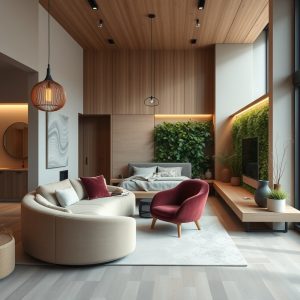
While technology enhances efficiency, biophilic design nurtures the soul. Rooted in the idea that humans have an innate connection to nature, biophilic design seeks to bring the outdoors in, creating spaces that promote relaxation, creativity, and overall well-being. This approach goes beyond simply adding a few plants to a room—it involves integrating natural elements in ways that engage the senses and evoke a sense of harmony.
Indoor garden walls, for instance, are a striking way to infuse greenery into a space while improving air quality. Large windows that flood rooms with natural light, organic materials like wood and stone, and even water features can transform a home into a sanctuary. Studies have shown that biophilic design reduces stress, enhances cognitive function, and boosts mood, making it an essential consideration for modern living.
Creating a Multi-Sensory Experience
Biophilic design is not just about visual appeal—it engages all the senses. The sound of trickling water from a small indoor fountain, the texture of a jute rug underfoot, or the scent of eucalyptus in a bathroom can create a deeply immersive experience. Even the strategic use of earthy color palettes, such as soft greens, warm browns, and muted blues, can evoke the tranquility of a forest or a seaside retreat. By thoughtfully incorporating these elements, homeowners can craft spaces that feel alive and rejuvenating.
The Synergy of Technology and Nature
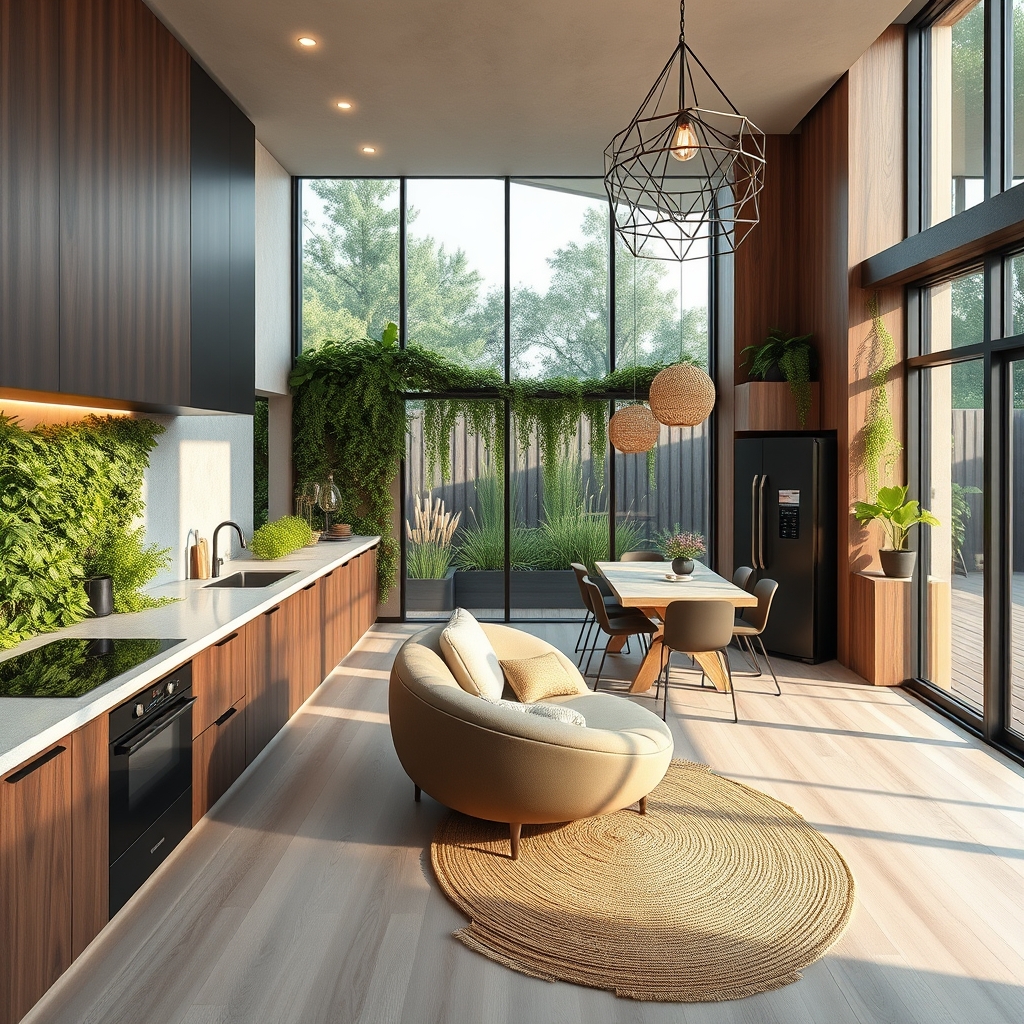
At first glance, smart kitchen technology and biophilic design might seem like opposing forces—one rooted in innovation, the other in nature. However, when combined, they create a powerful synergy that enhances both functionality and well-being. A smart kitchen can be designed with natural materials, such as reclaimed wood cabinetry and stone countertops, while biophilic elements like indoor herb gardens can thrive under energy-efficient LED lighting. The result is a space that is not only efficient and sustainable but also warm and inviting.
For example, a kitchen with a living wall of herbs can be paired with a smart irrigation system that ensures plants receive the perfect amount of water. Similarly, a dining area with large windows that offer views of a garden can be enhanced with motorized shades that adjust automatically to optimize natural light. These thoughtful integrations demonstrate how technology and nature can coexist harmoniously, elevating the modern home to new heights.
Designing for the Future
The homes of tomorrow will be defined by their ability to adapt to our evolving needs while remaining grounded in principles of sustainability and well-being. Smart kitchen technology and biophilic design are not just trends—they are the foundation of a new era in interior design. By embracing these concepts, homeowners can create spaces that are not only beautiful and functional but also nurturing to the mind, body, and planet.
As we continue to navigate a world that demands both efficiency and connection, our homes must serve as sanctuaries that support both. Whether it’s the quiet hum of a smart appliance or the gentle rustle of leaves from an indoor garden wall, these elements remind us that the future of home design lies in the balance between innovation and nature. The spaces we create today will shape how we live, work, and thrive for years to come, making it essential to design with intention, sustainability, and well-being at the forefront.