Corner Sofa Placement: The Ultimate Guide to Maximizing Space and Style in Your Living Room
In today’s modern homes, where space is often at a premium, the way we arrange our furniture can make a significant difference in both functionality and aesthetics. One of the most versatile and space-saving pieces of furniture is the corner sofa. When placed thoughtfully, a corner sofa can transform a living room, creating a cozy atmosphere while optimizing traffic flow and visual balance. Whether you’re working with a small apartment, an open-concept layout, or a multi-functional room, mastering the art of corner sofa placement can elevate your space to new heights.
Why Corner Sofas Are a Game-Changer
Corner sofas, also known as sectional sofas, are designed to fit snugly into the corners of a room, making them ideal for maximizing seating without overwhelming the space. Unlike traditional sofas, which often require a linear arrangement, corner sofas can adapt to L-shaped room arrangements, awkward nooks, or even studio apartment dividers. Their modular nature allows for flexibility, enabling you to customize the layout to suit your needs—whether you’re hosting a movie night, creating a cozy conversation circle, or setting up a high-traffic seating area for frequent gatherings.
Beyond their practicality, corner sofas also contribute to the visual balance of a room. By anchoring the furniture in a corner, you free up the center of the space, which can be used for other purposes, such as a coffee table, a home office zone, or even a dining area in a multi-functional layout. This approach aligns with the principles of floating furniture layouts, where pieces are positioned to create an illusion of spaciousness while maintaining a harmonious flow.
Key Considerations for Corner Sofa Placement
Before you push your corner sofa into a random corner, there are a few critical factors to consider to ensure it enhances your living space rather than cluttering it.
1. Traffic Flow Optimization
One of the most important aspects of furniture placement is ensuring that the room remains easy to navigate. A corner sofa should not obstruct natural pathways or create bottlenecks. For example, if your living room is part of an open-concept living area, position the sofa so that it doesn’t block the transition between the kitchen, dining, and living zones. In smaller spaces, leave at least 2-3 feet of clearance around the sofa to allow for smooth movement.
2. Focal Point Alignment
Every living room has a focal point—whether it’s a fireplace, a large window, a TV, or a gallery wall. Your corner sofa should complement this focal point rather than compete with it. For instance, if your TV is mounted on a wall, angle the sofa so that it faces the screen without forcing viewers to crane their necks. If your focal point is a fireplace, position the sofa to create a cozy conversation circle around it, ensuring that the seating arrangement feels inviting and balanced.
3. Small Space Zoning
In studio apartments or multi-functional rooms, a corner sofa can serve as a subtle divider, helping to define different zones without the need for physical barriers. For example, placing a corner sofa between the living area and a home office can create a sense of separation while maintaining an open feel. This technique is particularly useful in flexible segmented spaces, where different activities—such as working, relaxing, and entertaining—need to coexist harmoniously.
4. Symmetry and Visual Balance
Achieving visual balance in a room is essential for creating a harmonious atmosphere. If your corner sofa is large, balance it with other furniture pieces, such as a pair of armchairs, a coffee table, or a console table. In symmetric living rooms, you might place identical side tables or lamps on either side of the sofa to create a cohesive look. Alternatively, in a more eclectic space, you can use contrasting textures, colors, or shapes to add interest while maintaining equilibrium.
Creative Corner Sofa Layouts for Different Spaces
The beauty of corner sofas lies in their adaptability. Here are a few creative ways to arrange them based on your room’s shape and function.
1. L-Shaped Rooms
If your living room is L-shaped, a corner sofa can seamlessly follow the contours of the space. Place the sofa in the corner where the two walls meet, allowing it to define the seating area while leaving the rest of the room open for other uses. This arrangement works particularly well in multi-functional room layouts, where the extra space can be used for a dining table, a home office, or even a play area for kids.
2. Open-Concept Living Areas
In open-concept homes, a corner sofa can act as a natural divider between the living area and adjacent spaces, such as the kitchen or dining room. Position the sofa with its back facing the kitchen or dining area to create a subtle separation while maintaining an airy feel. To enhance the zoning effect, pair the sofa with a rug or a low bookshelf to further delineate the space.
3. Small Apartments and Studio Layouts
For those living in compact spaces, a corner sofa can be a lifesaver. Opt for a modular design that can be reconfigured as needed—such as a sofa with a pull-out bed or a chaise lounge that can be moved to different positions. Place the sofa against the longest wall to maximize floor space, and use lightweight studio apartment dividers, like room screens or open shelving, to create additional zones if needed.
4. Cozy Conversation Circles
If your living room is designed for socializing, arrange your corner sofa to encourage face-to-face interaction. Position the sofa so that it forms a U-shape or an L-shape with additional seating, such as armchairs or ottomans. This layout fosters intimacy and makes conversations feel more natural. To enhance the coziness, add soft lighting, plush throw pillows, and a central coffee table to anchor the space.
Styling Tips to Elevate Your Corner Sofa
Once you’ve nailed the placement, it’s time to style your corner sofa to reflect your personality and aesthetic. Here are a few tips to make it shine:
1. Layer with Textiles
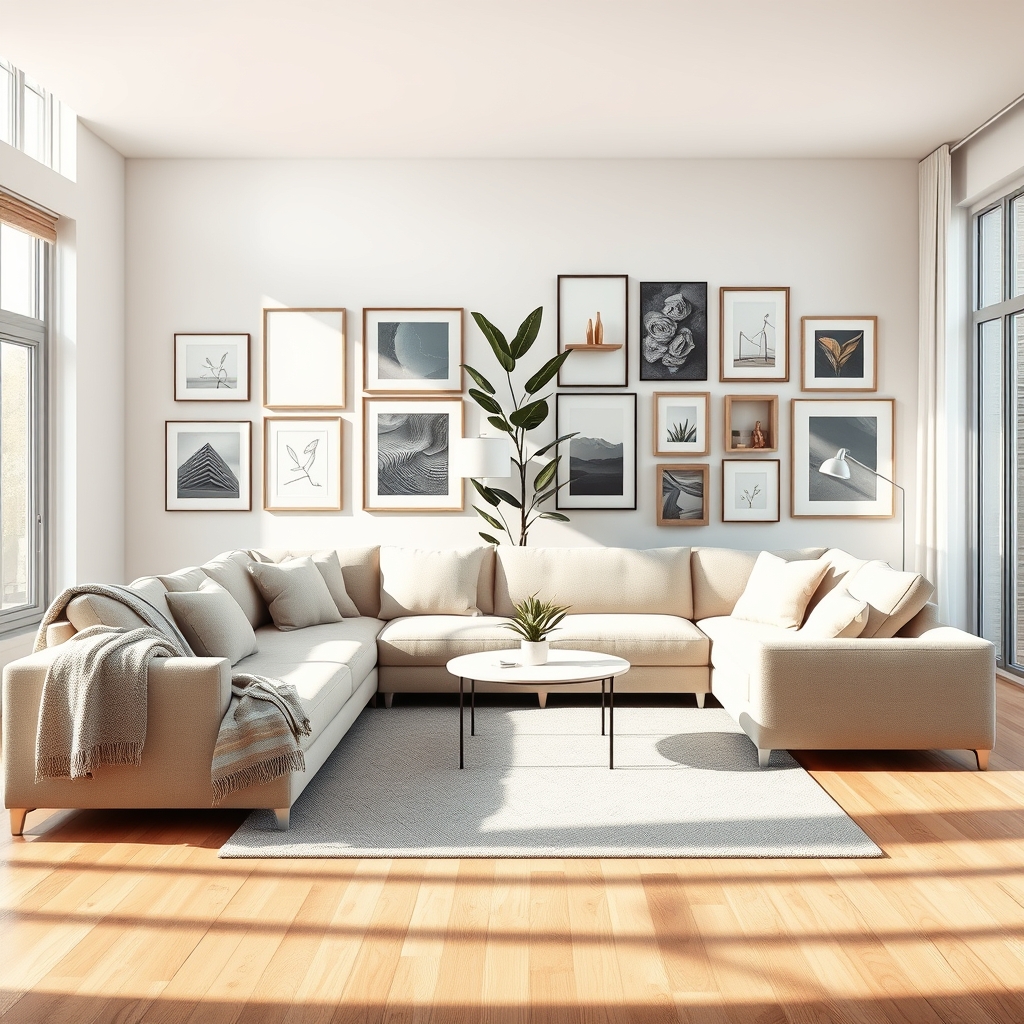
Textiles are an easy way to add warmth and texture to your living room. Drape a throw blanket over one corner of the sofa and scatter a few decorative pillows in complementary colors or patterns. This not only enhances comfort but also adds visual interest to the space.
2. Incorporate a Gallery Wall
A gallery wall behind or adjacent to your corner sofa can serve as a stunning focal point. Mix and match frames, artwork, and mirrors to create a dynamic display that draws the eye. For a cohesive look, stick to a consistent color palette or theme, such as black-and-white photography or abstract paintings.
3. Use Lighting Strategically
Lighting can dramatically alter the ambiance of a room. Place a floor lamp near the corner of the sofa to create a cozy reading nook, or install wall sconces above the sofa to add a touch of elegance. If your living room lacks natural light, consider adding a large mirror opposite the sofa to reflect light and make the space feel brighter and more open.
4. Add Greenery
Plants breathe life into any space, and a corner sofa provides the perfect opportunity to incorporate greenery. Place a tall indoor plant, like a fiddle-leaf fig or a snake plant, in the corner behind the sofa to add height and freshness. For a more minimalist look, opt for small succulents or air plants on side tables or shelves.
Mastering the placement of a corner sofa is about more than just filling a corner—it’s about creating a space that feels intentional, functional, and inviting. By considering factors like traffic flow, focal points, and visual balance, you can transform even the most challenging layouts into a stylish and harmonious living area. Whether you’re working with a sprawling open-concept home or a cozy studio apartment, a well-placed corner sofa can be the key to unlocking the full potential of your space, making it a place where comfort and style coexist effortlessly.