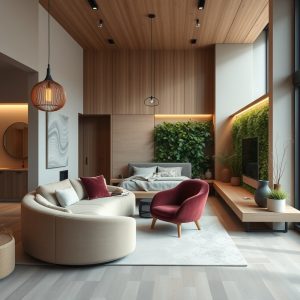
The Renaissance of Vintage: How Open Concept Kitchens and Art Deco Accents Breathe New Life into Modern Homes
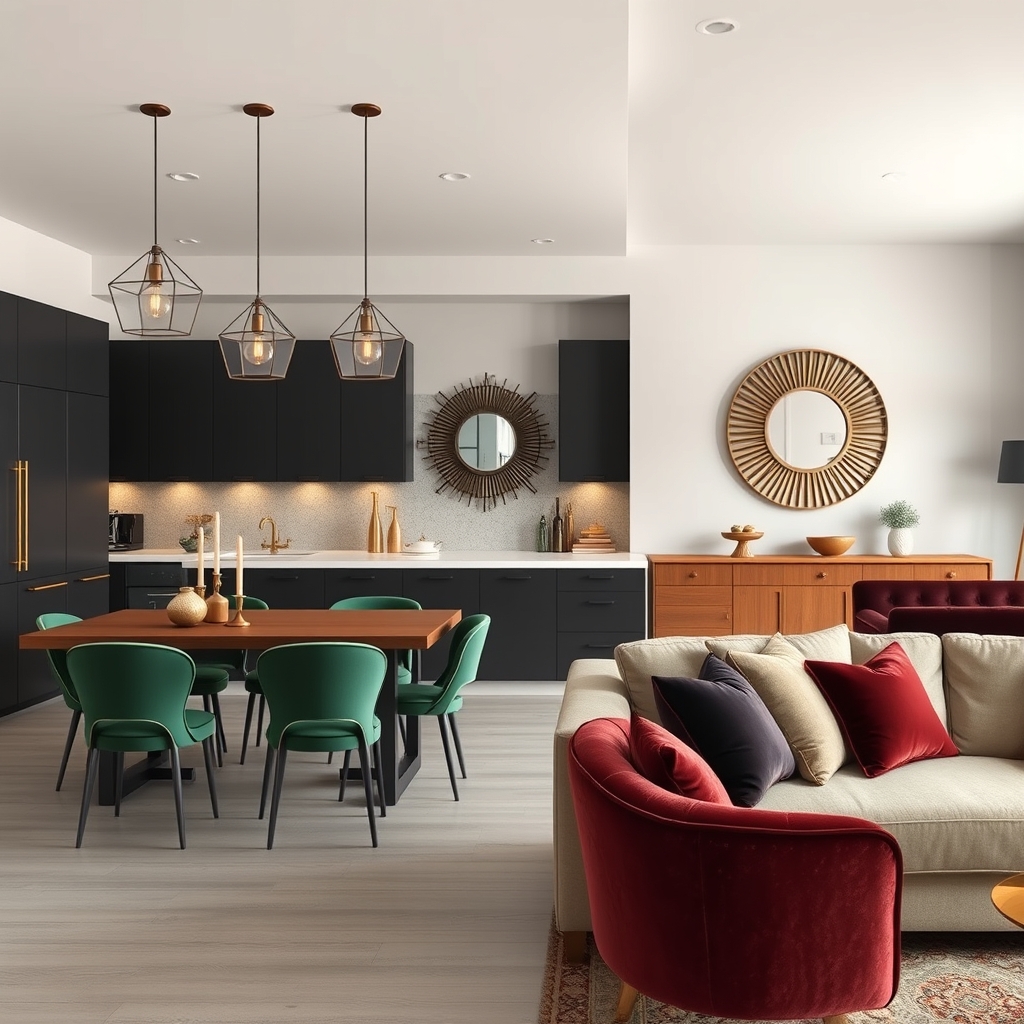
In an era where sleek minimalism and cutting-edge technology dominate interior design trends, there’s a quiet yet powerful movement reclaiming the past. The revival of vintage furniture and Art Deco accents is not merely a nod to nostalgia; it’s a deliberate choice to infuse modern spaces with character, warmth, and a sense of timelessness. When paired with the fluidity of open concept kitchens, this blend of old and new creates homes that are as functional as they are visually captivating.
The Allure of Vintage Furniture in Modern Spaces
Vintage furniture carries stories—each scratch, patina, and imperfection tells a tale of its own. Unlike mass-produced modern pieces, vintage items often boast superior craftsmanship, unique designs, and materials that stand the test of time. Incorporating these pieces into contemporary homes adds depth and personality, breaking the monotony of cookie-cutter interiors. A mid-century modern credenza in a minimalist living room or a 1920s Art Deco vanity in a Japandi-style bedroom can serve as a focal point, drawing the eye and sparking conversation.
But the revival of vintage isn’t just about aesthetics; it’s also a sustainable choice. By repurposing and restoring old furniture, homeowners reduce waste and minimize their environmental footprint. In a world increasingly conscious of sustainability, vintage pieces offer a way to embrace eco-friendly design without sacrificing style. Pairing these treasures with modern elements, like matte black hardware or floating wall shelves, creates a harmonious balance between the past and present.
The Timeless Elegance of Art Deco Accents
Art Deco, with its bold geometric patterns, luxurious materials, and rich colors, is experiencing a resurgence in modern interior design. This 1920s and 1930s movement was all about opulence and glamour, and its influence can be seen in everything from statement lighting fixtures to velvet accent chairs. Art Deco accents bring a sense of drama and sophistication to modern spaces, elevating them from ordinary to extraordinary.
One of the most striking ways to incorporate Art Deco into a home is through lighting. A chandelier with angular lines and metallic finishes can transform a dining room into a glamorous retreat, while a table lamp with a stepped base adds a touch of vintage charm to a bedside table. Art Deco mirrors, with their sunburst or zigzag frames, are another easy way to infuse this style into a space. When paired with earthy color palettes or biophilic decor, these accents create a layered, textured look that feels both luxurious and grounded.
Open Concept Kitchens: The Heart of Modern Living
Open concept kitchens have become a staple in modern home design, and for good reason. They foster connectivity, making it easier to entertain guests while preparing meals or to keep an eye on children while cooking. But beyond functionality, open concept kitchens also provide the perfect canvas for blending vintage and modern elements. A vintage farmhouse table can serve as an island, surrounded by sleek, contemporary bar stools. Or, a collection of Art Deco-inspired pendant lights can hang above a minimalist kitchen island, creating a striking contrast.
To make the most of an open concept kitchen, consider incorporating multi-functional spaces. A vintage sideboard can double as a buffet during gatherings or as additional storage for kitchen essentials. Floating wall shelves can display a mix of vintage dishware and modern decor, adding visual interest to the space. The key is to create a cohesive look that feels intentional, rather than cluttered. By thoughtfully curating pieces, you can achieve a kitchen that is both stylish and practical.
Creating a Cohesive Look: Blending Vintage and Modern
The secret to successfully blending vintage and modern elements lies in balance. Too much vintage can make a space feel dated, while too much modernity can strip it of character. Start by choosing a neutral base—think earthy color palettes, textured wallpapers, or matte black hardware—to ground the design. Then, layer in vintage pieces as accents. A velvet accent chair in a rich jewel tone can add a touch of Art Deco glamour to a minimalist living room, while a curved sofa in a muted hue keeps the space feeling contemporary.
Another way to achieve harmony is by repeating materials or colors throughout the space. For example, if you have a vintage brass lamp in the living room, echo that finish with modern brass cabinet pulls in the kitchen. Or, if your Art Deco mirror features a black frame, incorporate black accents elsewhere in the room, such as in a statement lighting fixture or a velvet throw pillow. These subtle connections tie the space together, creating a cohesive look that feels curated rather than chaotic.
The Role of Sustainable Interior Design
As the vintage revival gains momentum, it’s worth noting its alignment with sustainable interior design principles. Fast furniture and disposable decor have contributed to a culture of waste, but the resurgence of vintage pieces offers a more mindful alternative. By choosing secondhand or restored furniture, homeowners can reduce their environmental impact while still creating beautiful, functional spaces. This approach also encourages a slower, more intentional way of decorating—one that values quality over quantity.
Sustainable design isn’t just about the materials you choose; it’s also about how you use them. Multi-functional spaces, for example, allow homeowners to maximize their square footage without overcrowding their homes with unnecessary furniture. A vintage trunk can serve as both a coffee table and storage, while a built-in banquette in the kitchen can provide seating and hidden storage. These solutions not only reduce waste but also enhance the functionality of a home, making it more adaptable to the needs of its inhabitants.
In a world where trends come and go at lightning speed, the revival of vintage furniture and Art Deco accents offers a refreshing counterpoint. These pieces remind us that good design is timeless, and that the past has much to teach us about creating spaces that are both beautiful and meaningful. Whether it’s the warmth of a well-loved vintage chair or the drama of an Art Deco mirror, these elements add soul to modern homes, transforming them into spaces that feel truly lived-in. When paired with the openness of a modern kitchen or the functionality of multi-purpose rooms, the result is a home that is as practical as it is inspiring—a place where the past and present coexist in perfect harmony.